THAI MASSAGE
Ancient Healing for Body, Mind, and Energy
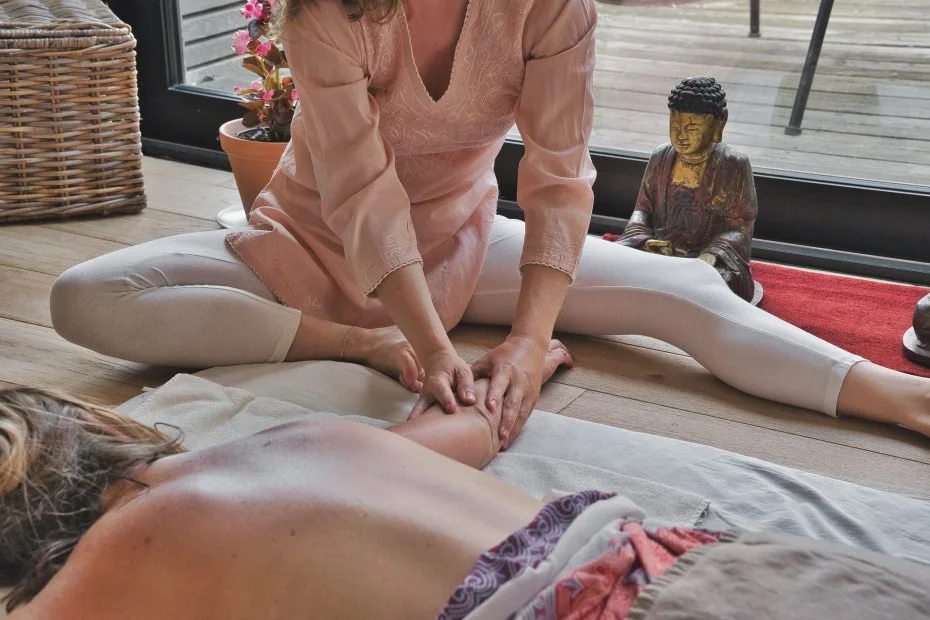
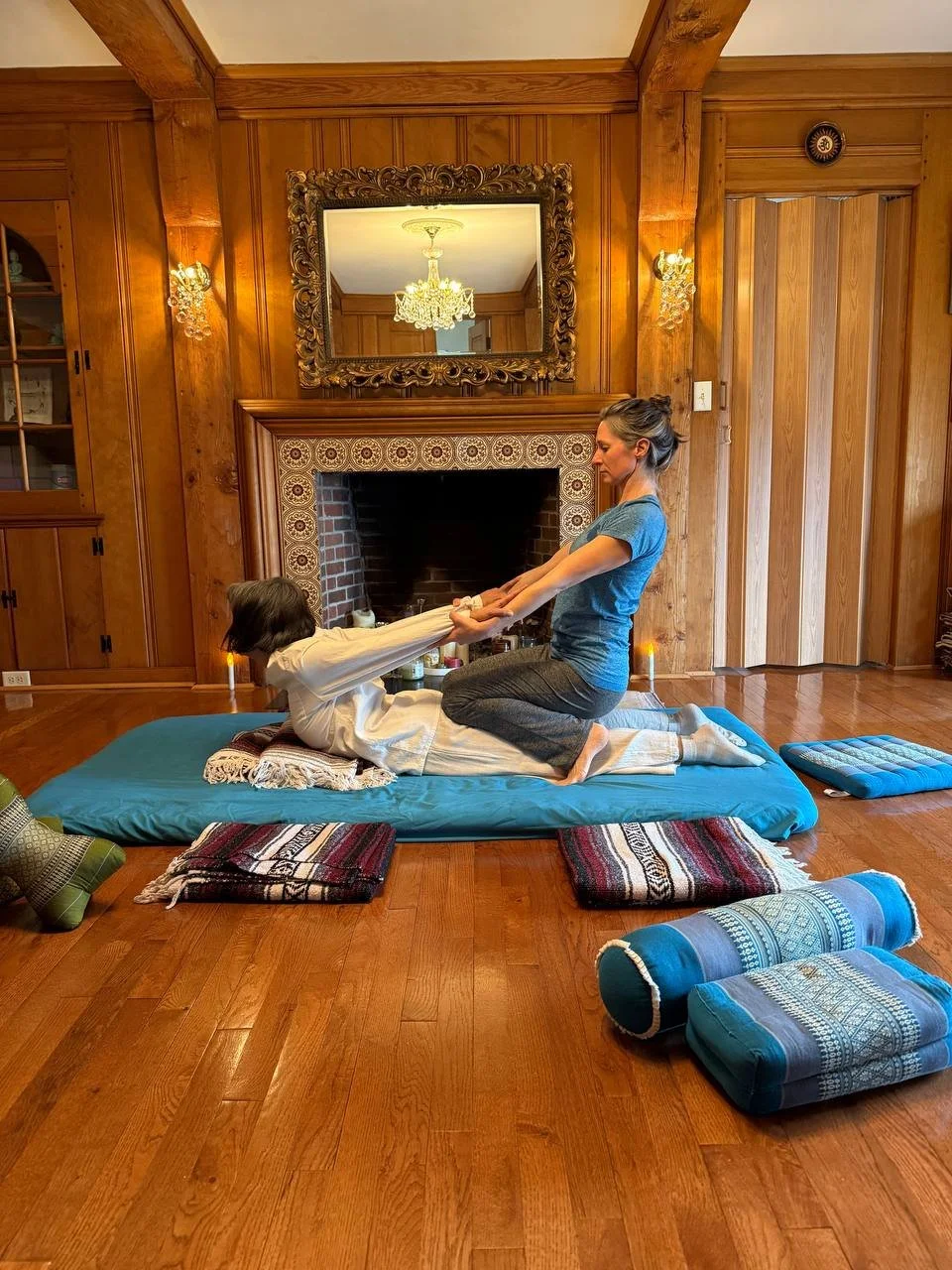
Thai massage is far more than a simple body rub it is a 2,500-year-old healing art that combines assisted yoga stretching, acupressure, and energy line (Sen) work to restore balance on every level. Unlike a typical table massage, Thai massage is performed fully clothed on a floor mat, allowing the practitioner to use their hands, elbows, knees, and feet to guide your body through a series of gentle, rhythmic movements. This dynamic therapy targets the body's invisible energy pathways, clearing blockages that cause pain, stiffness, and fatigue. By applying firm pressure along specific Sen lines—similar to meridians in acupuncture—and moving the joints through their full range of motion, Thai massage effectively resets the body’s natural flow of energy (prana or chi). Whether you are an athlete seeking faster recovery, an office worker battling chronic back pain, or someone simply feeling "stuck" physically or emotionally, this treatment offers a deeply restorative experience. The result is not just relaxation, but a palpable increase in flexibility, a dramatic reduction in muscle tension, and a renewed sense of vitality. Prepare to be stretched, pressed, and gently rocked into a state of profound physical freedom and mental calm.

Benefits of Thai Massage
Increases Flexibility and Range of Motion
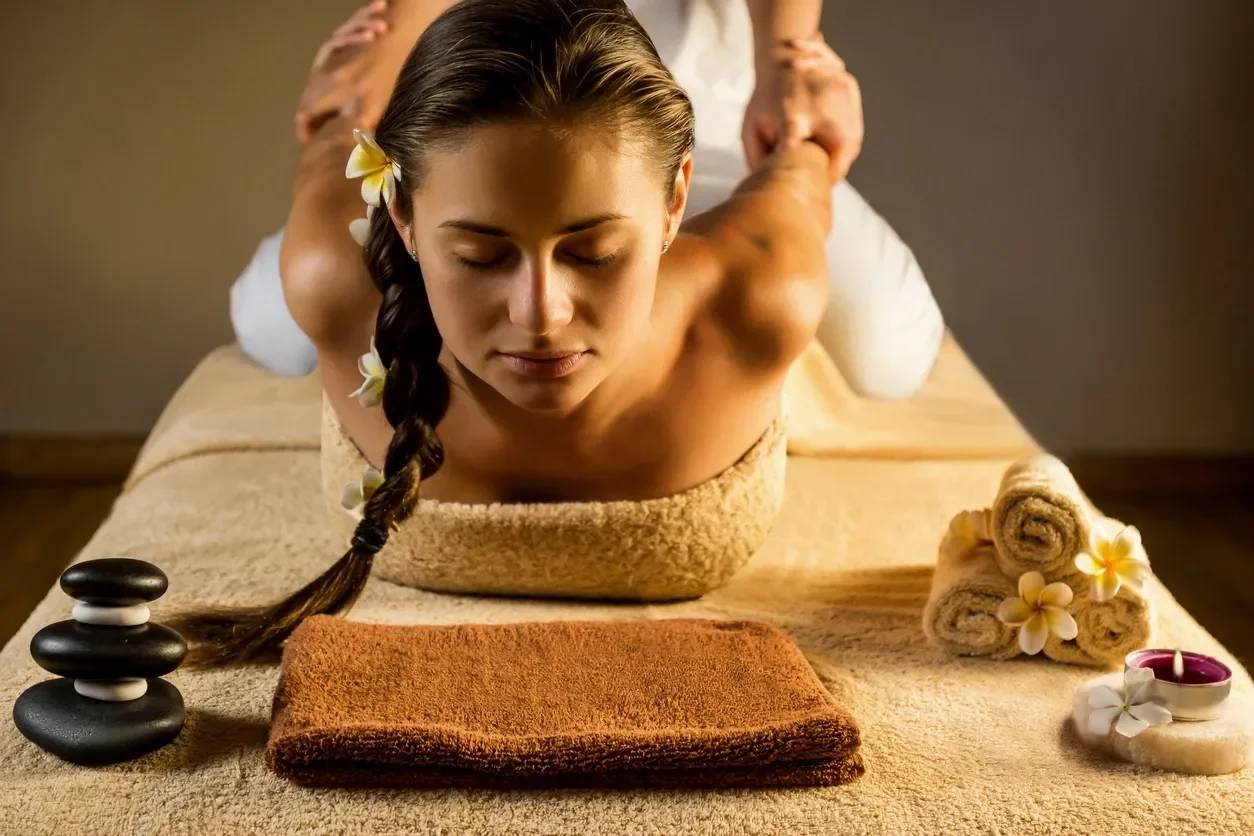
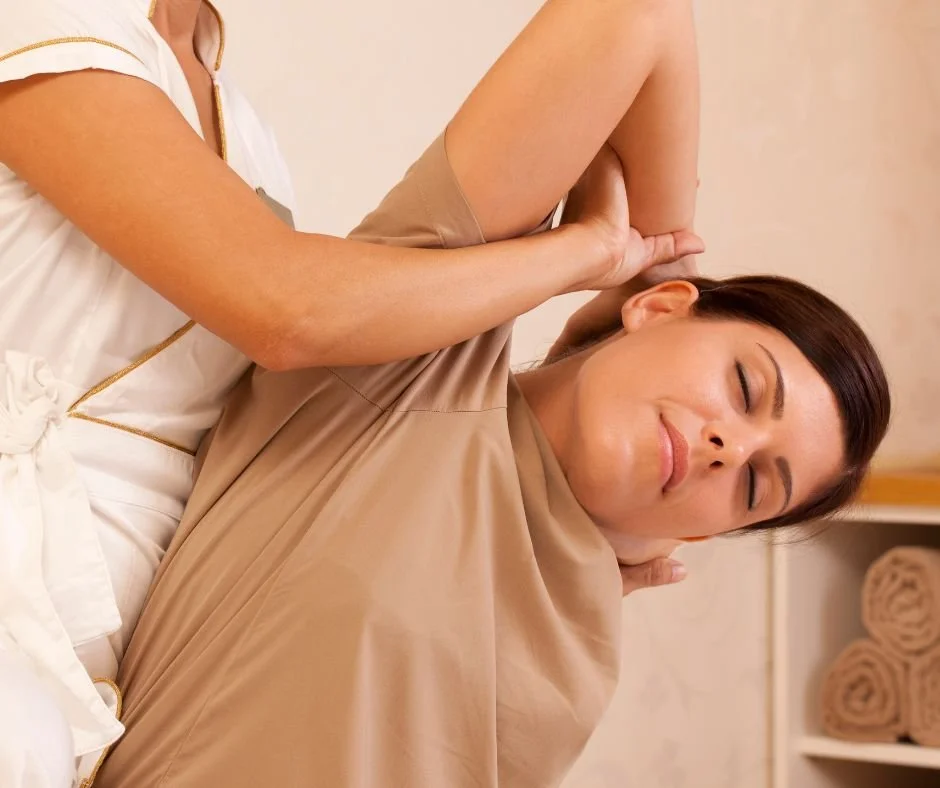
Thai massage is often called "lazy man's yoga" because the practitioner actively moves your body into stretches you might never achieve on your own. Unlike static stretching, this therapy uses rhythmic, passive stretching combined with acupressure to lengthen tight muscles and connective tissues. The practitioner gently rocks, twists, and compresses your body, taking each joint—from the shoulders and spine down to the hips, knees, and ankles—through its full natural range of motion. Over time, this breaks down adhesions in the fascia, loosens shortened muscle fibers, and retrains the nervous system to allow deeper extension without triggering a protective tightening reflex. Whether you struggle with stiff hamstrings, a rigid lower back, or tight hip flexors from sitting all day, regular Thai massage can dramatically improve your functional flexibility. You will leave feeling longer, looser, and more fluid in your movements, making everyday activities like bending, reaching, and walking feel effortless again.
Relieves Chronic Muscle Pain and Back Tension
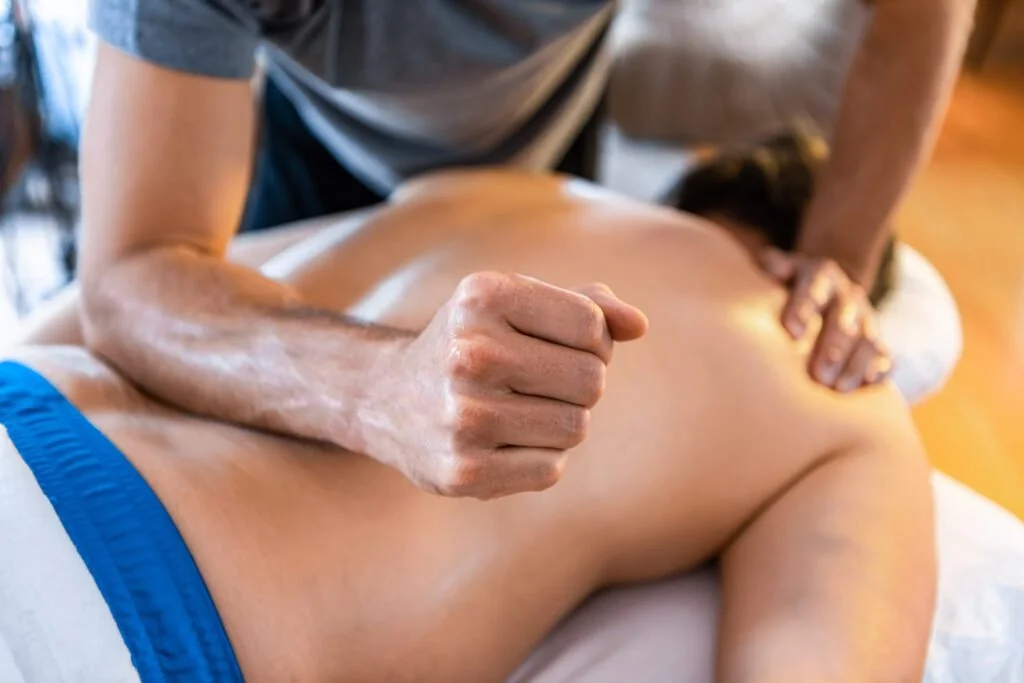
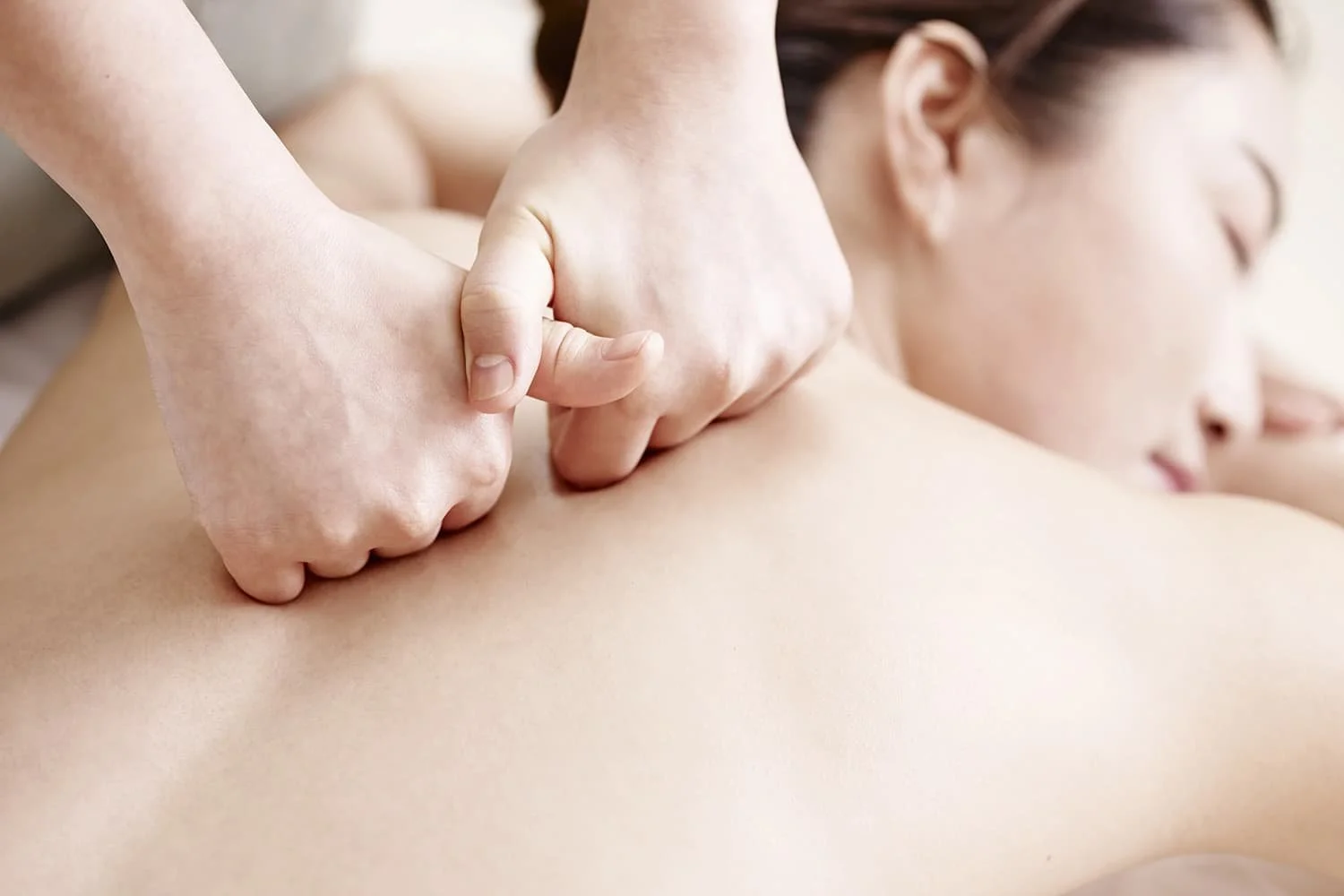
Chronic muscle pain and persistent back tension often result from a combination of overworked muscles, poor posture, and accumulated stress held in the soft tissues. Thai massage directly addresses the root causes of this pain by using targeted, sustained pressure along the body's Sen energy lines—specifically those running alongside the spine, shoulders, and lower back. The practitioner uses palms, thumbs, elbows, and even knees to apply deep, kneading compression to trigger points and knots that cause referred pain. Unlike a standard massage that only works on superficial muscles, Thai massage reaches the deeper layers of the back, including the erector spinae, quadratus lumborum, and the muscles surrounding the sacrum. Combined with gentle spinal twists and traction, this approach decompresses the vertebrae, releases tension in the para-spinal muscles, and improves alignment. For those suffering from chronic lower back pain, tension headaches originating in the neck, or tight shoulders that never seem to relax, this ancient therapy offers lasting, drug-free relief.
Energy Levels and Vitality
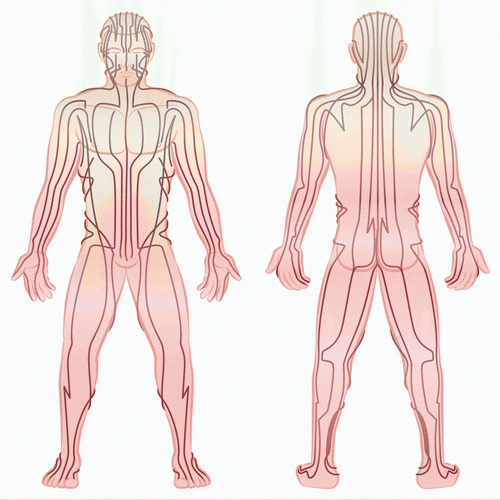
f you often feel physically drained, mentally foggy, or emotionally flat despite getting enough sleep, your body's energy pathways may be blocked. Thai massage is rooted in the belief that a vital life force—called prana in yogic tradition or lom in Thai medicine—flows through invisible channels called Sen lines. When these channels become obstructed by stress, injury, or sedentary habits, energy stagnates, leading to lethargy and low motivation. The practitioner uses a specific sequence of thumb presses and palm compressions along the ten main Sen lines to break up these blockages and encourage the free flow of energy. Unlike the sedative effect of a Swedish massage, Thai massage is often described as invigorating and energizing. Clients typically leave feeling alert, refreshed, and unusually vibrant—similar to the afterglow of a good yoga session or a brisk walk in fresh air. This natural energy boost can last for days, helping you feel more productive, creative, and present in your daily life.
Reduce Stress and Promotes Deep Relaxation
While Thai massage is active and dynamic, it is also profoundly relaxing for the nervous system. The practitioner's rhythmic rocking, gentle shaking, and slow, deliberate compression mimic the soothing sensations of being held or rocked as a child, which directly activates the parasympathetic nervous system—the body's "rest and digest" mode. This neurological shift lowers cortisol levels, slows the heart rate, and reduces blood pressure. Unlike other therapies that require you to lie still, the passive stretching and movement in Thai massage encourage a meditative state where your mind can let go of racing thoughts. The constant, predictable pressure also provides a grounding effect, helping anxious individuals feel safe and present in their bodies. Many clients report entering a dreamlike, deeply peaceful state during the session, and the relaxation often continues well into the following day, reducing overall stress reactivity and improving emotional resilience.

Improves Circulation and Lymphatic Drainage
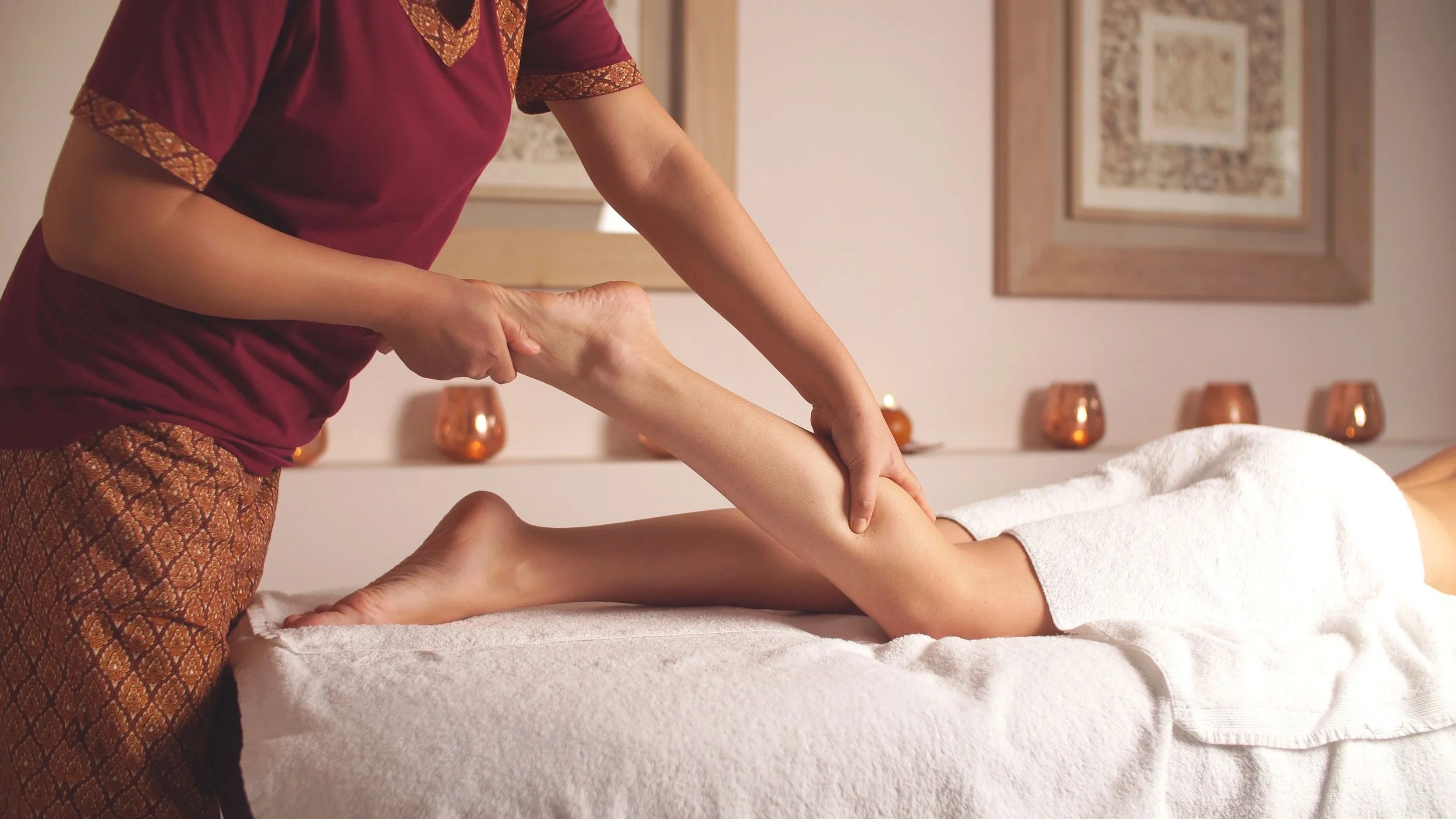
Healthy blood flow and an efficient lymphatic system are essential for healing, immunity, and glowing skin. Thai massage mechanically stimulates circulation through two powerful mechanisms: deep muscle compression and passive stretching. As the practitioner applies firm, rhythmic pressure along the legs, arms, and back, blood is squeezed out of soft tissues and then rushes back in as the pressure is released, creating a pumping action that improves arterial and venous flow. Simultaneously, the yoga-like stretches open up joint spaces and elongate muscles, which encourages stagnant lymph fluid—responsible for removing metabolic waste and toxins—to move through the lymphatic vessels toward lymph nodes for filtration. Improved circulation means more oxygen and nutrients reach your cells, speeding up recovery from injuries and reducing muscle soreness. Better lymphatic drainage reduces puffiness, supports immune function, and can even improve skin clarity. The result is a body that feels lighter, less swollen, and more efficient at healing itself.
Aligns Posture and Relieves Joint Compression
Poor posture—from hunching over phones, slouching at desks, or carrying heavy bags—creates chronic compression in the spine, hips, and shoulders. Over time, this compression leads to misalignment, uneven muscle wear, and joint pain. Thai massage acts as a manual adjustment without the cracking or popping of chiropractic care. The practitioner uses gentle traction, rocking, and leveraged stretching to decompress the vertebrae, creating space between the spinal discs. Specific techniques like lying on the client's back (with proper padding and control) or using feet to apply pressure along the spine help release the tight muscles that pull the skeleton out of alignment. For the hips and shoulders, passive rotational stretches help recenter the joints within their sockets, reducing wear on cartilage. Over a series of sessions, Thai massage can retrain postural habits by reducing the tension that holds you in a slouched position, leading to a taller, more open, and more balanced stance with less joint pain.
Supports Emotional Release and Mental Clarity
The body stores unexpressed emotions—stress, grief, anger, or fear—as physical tension in the fascia, especially in the hips, chest, diaphragm, and jaw. Thai massage, with its deep compression and wide-ranging stretches, often unlocks these stored emotional patterns. As a particularly tight hip flexor or a guarded abdominal muscle finally releases, clients may experience sudden tears, a wave of sadness, or an unexpected feeling of lightness—this is a healthy emotional release. The practitioner is trained to hold space for this without judgment, allowing the emotion to pass naturally. Beyond emotional release, the increased blood flow to the brain and the meditative quality of the session enhance mental clarity. Clients often report that after a Thai massage, their thinking feels sharper, decisions come more easily, and they feel less mentally cluttered. This combination of emotional catharsis and cognitive sharpness makes Thai massage a powerful tool for mental wellness, not just physical relief.
Great for Athletes and Active Individuals
Athletes place unique demands on their bodies: repetitive motion, high-impact forces, muscle imbalances, and the constant need for recovery. Thai massage is an ideal complement to any training regimen because it addresses all these challenges simultaneously. The passive stretching increases functional flexibility, which reduces the risk of muscle pulls and joint injuries during explosive movements. The deep acupressure relieves delayed onset muscle soreness (DOMS) after intense workouts, flushing out lactic acid and reducing inflammation. Unlike deep tissue massage that can sometimes leave athletes feeling bruised, Thai massage uses the body's own weight and leverage to achieve deep release without excessive pain. It also improves proprioception—the body's ability to sense its position in space—which enhances athletic coordination and balance. For runners, cyclists, CrossFit enthusiasts, or team sport players, incorporating Thai massage into a weekly or bi-weekly recovery routine can shorten recovery time, improve performance, and extend an athletic career by keeping muscles and joints healthy and resilient.